
 (07) 3297 0153
Protecting Young Smiles: Who Needs Dental Sealants and How Do They Work?
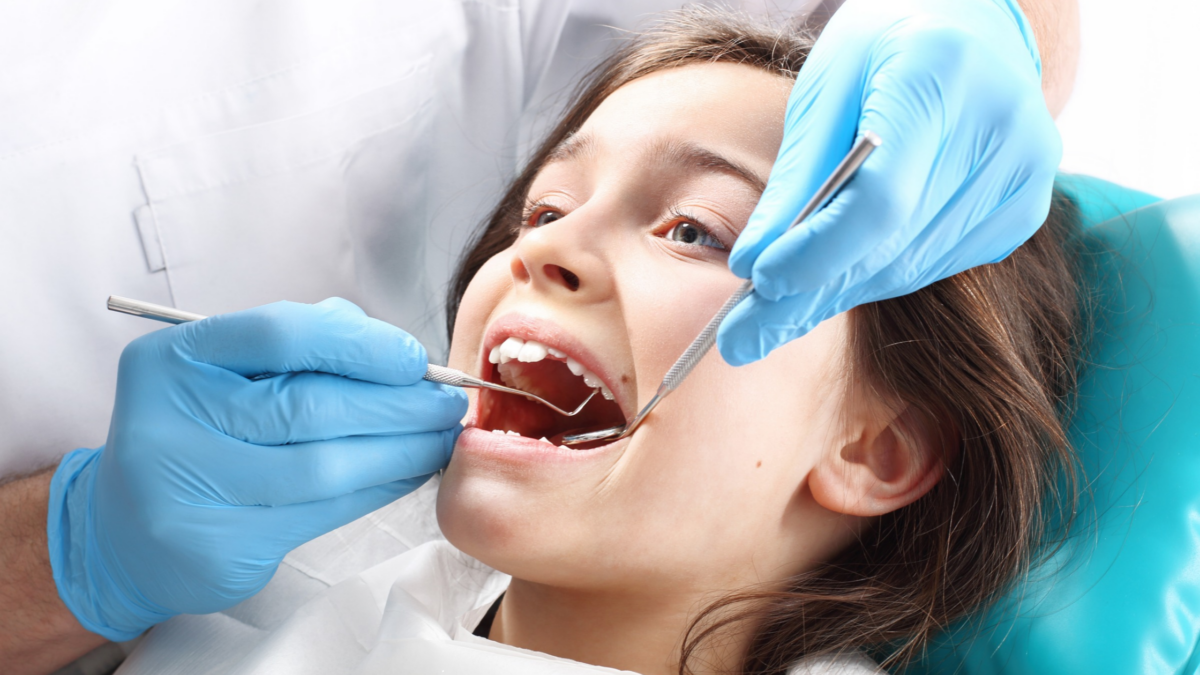
As parents, we do our best to build healthy habits early, reminding our kids to brush twice a day, packing nutritious school lunches, and limiting sugary treats. Yet despite our best efforts, tooth decay remains one of the most common chronic conditions affecting Australian children. According to the Australian Institute of Health and Welfare (AIHW), around 40% of Australian children experience decay in their primary teeth by age 10, and over 1 in 3 children aged 6 to 14 have decay in their permanent teeth.
So why are young smiles so uniquely vulnerable to cavities, even when kids brush regularly?
Understanding the factors that put growing teeth at risk and who needs extra protection is the best way to prevent painful dental problems before they start:
- Immature Tooth Enamel: When new permanent teeth first break through the gums, their outer enamel layer is still soft and developing. It takes several years for enamel to absorb minerals and fully harden, leaving young teeth far more susceptible to acid decay during early childhood.
- Dietary Sugars and Frequent Snacking: From fruit snacks and lunchbox juices to everyday meals, children naturally eat diets higher in carbohydrates and sugars. Bacteria in the mouth feed on these sugars, creating acids that wear down vulnerable tooth enamel.
- Developing Brushing Skills: Young children are still mastering the fine motor skills required to brush thoroughly. They often brush quickly or struggle to reach the far back corners of the mouth where food particles collect.
- Complex Tooth Anatomy: Back molars naturally feature deep, narrow grooves and pits (fissures) on their chewing surfaces. These crevices trap microscopic food debris and plaque where toothbrush bristles physically cannot reach.
When brushing and flossing alone aren’t enough to protect those deep molar grooves, preventative care steps in. Dental sealants offer a simple, pain-free way to shield your child’s back teeth and stop decay before it can take root.
Who Needs Dental Sealants?
While sealants offer great preventative benefits for most growing children, dentists specifically recommend them for:
1. Children Getting Their Permanent Molars (Ages 6 & 12)
- 6-Year Molars: The first permanent adult molars erupt around ages 6 to 7.
- 12-Year Molars: The second set of adult molars emerges around ages 11 to 13.
- Applying sealants as soon as these teeth break through the gums protects them during their most vulnerable early years.
2. Children with Deep Molar Fissures
Some children naturally inherit deeper, narrower tooth grooves than others. If your child’s molars have deep pits, toothbrush bristles physically cannot sweep them clean, making sealants essential.
3. Children Prone to Cavities (High Risk)
If your child has experienced baby tooth decay or required fillings in the past, their newly emerging permanent teeth are at a higher risk. Sealants provide a critical defensive barrier.
4. Kids Still Mastering Their Brushing Technique
Younger children or those with special needs who struggle with thorough daily brushing benefit hugely from the extra layer of protection sealants provide.
What Is a Dental Sealant?
A dental sealant (also called a fissure sealant) is a thin, clear or tooth-coloured protective resin coating applied directly to the chewing surfaces of the back teeth (premolars and molars).
Think of a sealant like a raincoat for a tooth: it flows into the microscopic pits and fissures of the molar, creating a smooth physical barrier that seals out food debris, plaque, and acid-producing bacteria.
Why Are They So Effective?
- Blocks What Brushes Miss: Fissure grooves can be narrower than a single toothbrush bristle. Sealants seal those crevices completely.
- Reduces Cavity Risk by up to 80%: Clinical studies show sealants dramatically reduce the risk of decay in back molars during childhood.
- Prevents Invasive Treatments: Sealing a healthy tooth stops decay before it starts, saving your child from needing fillings, root canals, or extractions later.
What Does the Procedure Involve?
Placing a dental sealant is fast, non-invasive, and completely pain-free:
- Cleaning: The dentist thoroughly cleans and dries the molar to remove any trapped plaque.
- Preparation: A gentle conditioning gel is applied briefly to help the sealant bond to the tooth surface, then rinsed off.
- Application: The liquid resin sealant is painted directly into the deep grooves of the tooth.
- Curing: A special blue LED light hardens the resin in a few seconds.
There are no needles, no drilling, and zero pain. Your child can eat and drink normally immediately after their visit.
Covered Under Medicare (CDBS)
Fissure sealants are a fully covered service under the Australian Government’s Child Dental Benefits Schedule (CDBS).
Eligible children (aged 0–17 receiving Family Tax Benefit Part A or other Centrelink payments) can access up to $1,158 in bulk-billed basic dental care over two consecutive calendar years.
Protect Your Child’s Smile at Park Ridge Dental
If your child is around 6 or 12 years old and getting their new adult molars, ask our gentle dental team if sealants are right for them.


